
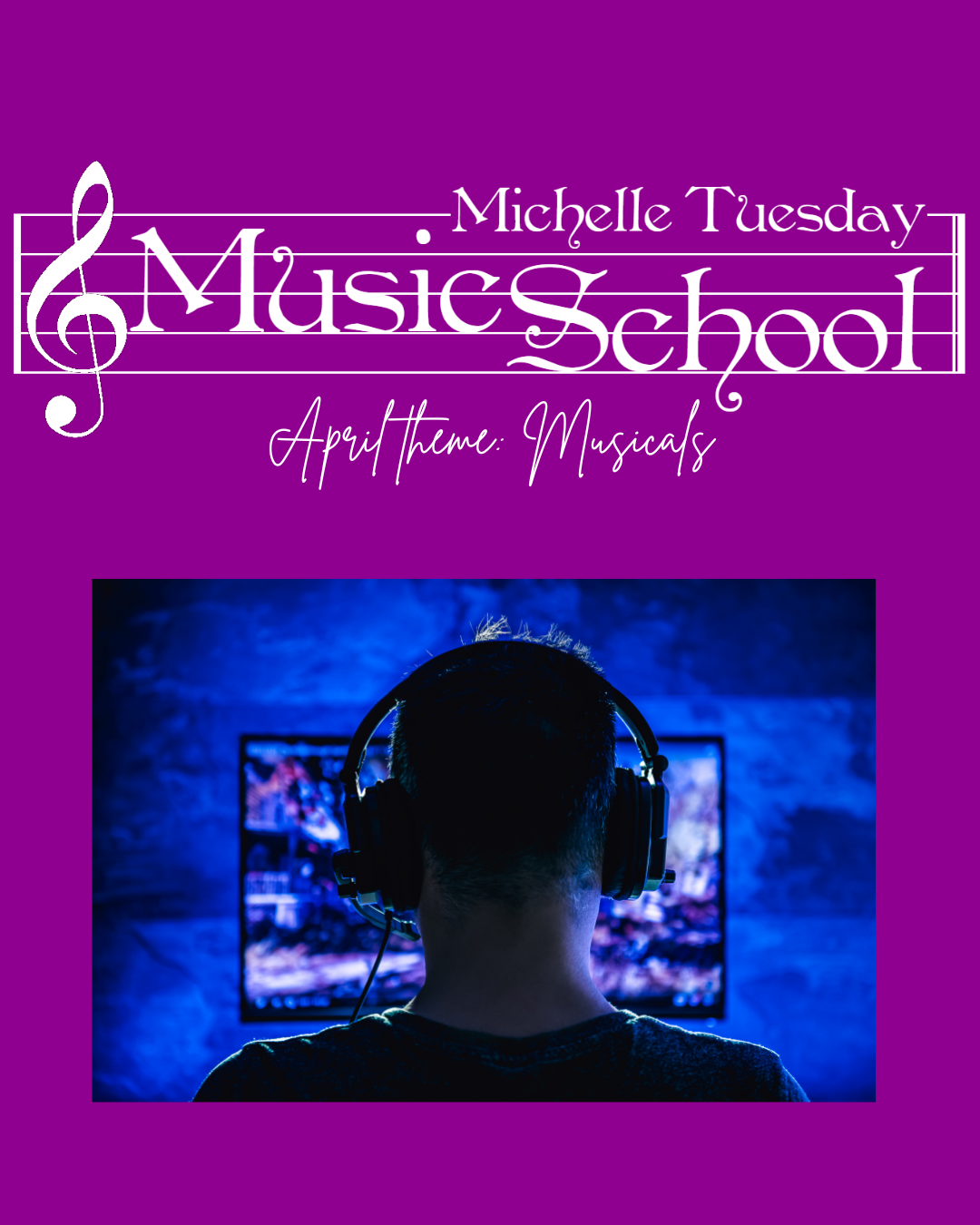
Press Start: Our Theme Continues with Video Game Music 🎮🎶
Last week, we explored musicals and how music tells a story on stage. This week, we’re continuing our double-theme month by stepping into a different kind of storytelling experience—video game music.
While the setting may change, one thing stays the same: music plays a powerful role in how we experience a story.
Where It All Began
Video game music has humble beginnings. Early systems had extremely limited technology, often using 5-channel sound with very little memory available.
Composers had to be creative. Simple tones and short loops became the building blocks of entire soundtracks.
Even before home consoles, music played a role in gaming. Slot machines used sound to draw players in and keep them engaged. Pinball machines followed, using music and sound effects that changed depending on gameplay.
These early ideas laid the foundation for interactive music.
Growing with Technology
As technology improved, so did the possibilities for video game music.
Developers moved from simple electronic sounds to more layered compositions. Games began to include longer tracks, richer textures, and more emotional depth.
Eventually, music became more than background noise. It became part of the storytelling itself.
Music That Adapts to You
One of the most unique features of video game music is how it responds to the player.
Unlike movies or musicals, video game music can change in real time. It can speed up during action, soften during quiet moments, or shift depending on success or failure.
Composers now design music that works across many possible outcomes. Whether a player moves quickly or takes their time, the music enhances the experience.
From Pixels to Full Orchestras
Today, video game soundtracks often feature full orchestral scores. Some are recorded with live musicians and performed in concert halls.
The role of the composer has grown as well. They don’t just write music—they help shape the entire feel of the game.
Music supports tension, excitement, and emotion. It helps guide the player without needing words.
Why Video Game Music Matters in Music Lessons
At MTMS, video game music gives students a new way to think about sound.
It encourages them to:
- Listen for how music changes with action
- Understand how sound supports decision-making
- Explore composition in a flexible, creative way
- Connect technology and music together
This makes learning both engaging and relevant.
More Than Just Sound
Video games rely on both visuals and audio to create an immersive experience.
In fact, video alone cannot fully create the sense of play. Music and sound bring the world to life, making each moment feel real and meaningful.
Together, they transform simple actions into memorable experiences.
Level Up in the Lab
This week in the lab, students will explore how video game music works. They’ll listen, analyze, and even experiment with creating their own interactive-style compositions.
As you play a game or hear its music, take a moment to notice:
How is the music guiding your experience?
You might start to hear games in a whole new way.