★4.9 Google rated 🎵
100+ reviews from our local Gahanna families 🎵
Serving the Gahanna community since 2010 🎵
Unlimited makeups* 🎵
Change your schedule at any time 🎵
Simple, transparent pricing 🎵
Family discounts 🎵
Neurodiversity-affirming music lessons 🎵
Two-teacher model: Music Lab + instrument 🎵
Unlimited adult Music Lab time 🎵
Year-round performance opportunities 🎵
Annual benefit concert for local food pantry 🎵
Conveniently located near Hamilton & Morse 🎵
Book a 4-week trial today!
At Michelle Tuesday Music School, we have a commitment to music and sharing that love with others. There are other values that shape our mission as a music school, and it’s important to highlight our dedication to our purpose.
Collaboration: We appreciate working together. Communication and support are at the top of the list, whether it’s toward clients, students, or each other.
Creativity: Unique expression of each individual is what we strive for – making space for our students and each other to be our own idea of ourselves.
Learning: We love to participate in the growth of our students and ourselves. Perseverance and discipline teach all of us to reach to new heights.
Community: The shared love of music and learning brings us together and keeps us returning every day and every year.
Are you new to MTMS? Give us a call. These are the values that shape our vision for the future, and we can’t wait to see how you’ll fit in with all of us.
If you learn piano with us, you might be assigned some Hanon exercises. In my younger years with piano lessons, I didn’t get this far, but I might have appreciated the challenge associated with it. One of our teachers provided the pro and con versions of these exercises, and I’m sharing them for your benefit.
I’ll quote MTMS piano teacher Elias Blake: I have used them in my own practice and have found improvement in my technique as a result. He is in favor of them because of this personal experience with the practice of Hanon exercises.
Both of these articles are intriguing, and they leave me wondering if I can get my hands on a copy to practice and see where it leads me. I’m fascinated by all kinds of exercises for hands and fingers as a yoga teacher- and I generally teach older individuals who want to keep using their hands like when they were younger. I tell them that unless they’ve practiced an instrument, it’s very unlikely all of their fingers want to move independently at first. Then we practice moving our hands.
Remember we are what we practice. If your teacher says the Hanon exercises might help, please try them out. If you’d rather find that piece of sheet music that calls to you and practice it until it shines – that might be the way to go and you should discuss it with your teacher. I know in my life cross-training is a wonderful thing, because I learn how to do the things I had done before differently and bringing that new perspective has helped me improve.
Have you done Hanon exercises? Share your experiences with us! If you’re curious about the book, you can find it here.
This month we’re focusing on Swing Music. This form of jazz music was most popular in the 1930s and 1940s. Well-known swing artists include Louis Armstrong, Frank Sinatra, and Duke Ellington. The name “swing” comes from the emphasis on the off-beat. Here are a couple of our favorites – feel free to comment with your own beloved swing songs.
Are you familiar with Modern/Techno music? This month’s composition station challenges you to try to write an 8 measure Modern/Techno piece. Techno music is a subset of Electronic Dance Music (EDM) and often uses common time between 120 and 150 beats per minute. As an added challenge, you can try to use three different chords in your song. You can also try instruments you aren’t familiar with. The most important thing is always to have fun with the music!
How is that New Year so far? It’s all right if it’s a lot like last year- not quite what we were hoping for but still a lot left to figure out. Many of our resolutions “fail” within the first six weeks of the year, but often our resolutions are set up to be vague and difficult.
I loved learning about SMART goals and what they could do for me. I’m trying to put those into practice for my new year, and the thing is it takes some work to look at the goal and also see how the progress goes. Except- I will tell you I love seeing that progress increase. It’s well worth it for me. Personally, one of my goals was to resurrect my notebook habit: I always have a notebook and a writing utensil near me. I started this again in about mid-December, and it has been helpful for writing lists, not forgetting my tasks, and reminding myself what I wanted and needed to accomplish this day or this week.
What’s a SMART goal? I’m so glad you asked. SMART stands for Specific, Measurable, Achievable, Relevant, Time bound. Pretend it’s a worldwide pandemic, and I’ve been sitting on a couch for most of a year. It’s not achievable to say I’m going to run a marathon in February for most of us. It’s not time-bound to say I’m eventually going to play the guitar as well as Michelle Tuesday (that might not be achievable, either, considering how often I’m practicing).
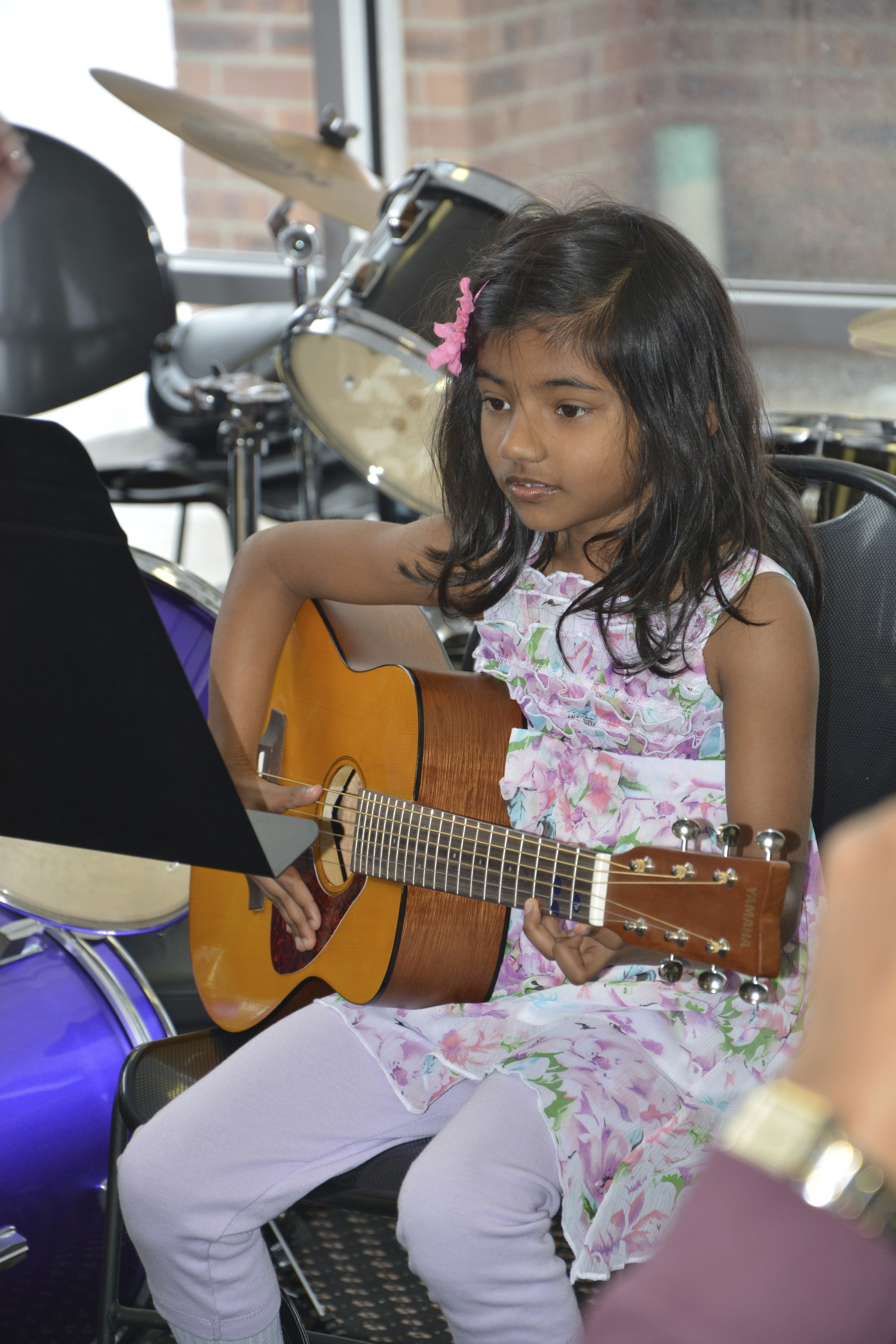
Here’s an example of something that fits well. I want to play guitar, and I’m going to practice ten minutes a day, five days a week, for a month and re-evaluate my progress. I picked out a specific song I want to play, and I can measure my progress on this song or about chords and scales or progress in a book with a teacher. At the end of that month, I can decide if maybe I can make it work for more than five days a week, or if that’s too many. I can decide maybe it works to practice thirty minutes twice a week and ten the other three days to make my goal. And once I reach that – I can set another one.
Maybe my six-month journey on guitar was all right, but I’m now really dying to learn the violin instead? It’s the same process. On one hand, it’s hard to mark that, yes, I practiced Sunday, Wednesday, Thursday, Friday and missed three days this week. This system is also about giving yourself the grace to say, well, Friday I made up an extra twenty minutes because I knew I had missed a couple days and I wouldn’t practice on Saturday since I would be out of town.
We are what we practice. When we practice making SMART goals and checking in with them, we will be ready to create more music – or whatever other goals are important to you to accomplish. Don’t get overwhelmed with goals- make them fit you and your schedule.