
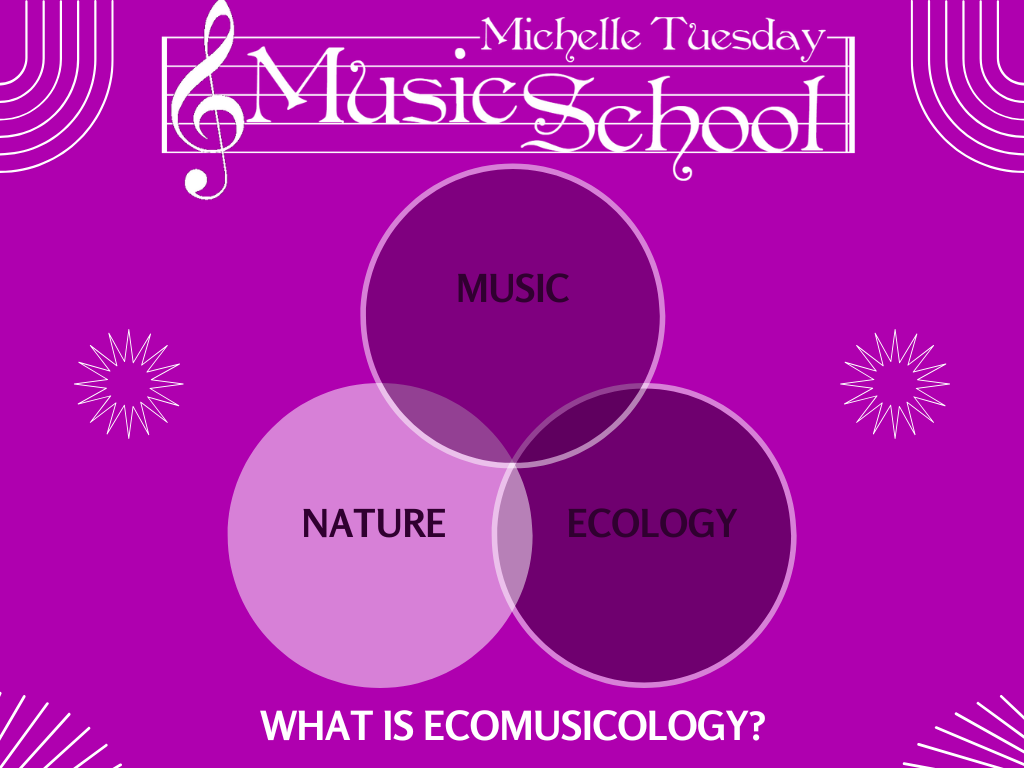
Ecomusicology is a fascinating field where music and the environment meet. Put simply, it studies how music relates to nature and ecology. In addition, it considers how culture, sound, and the environment influence one another. For example, scholars examine how natural soundscapes shape music and listening. Therefore, ecomusicology goes beyond traditional music study. Instead, it blends musicology with ecological awareness and cultural analysis.
Where the Idea Came From
However, the idea did not emerge overnight. Its intellectual roots reach back to the late twentieth century. Soundscape studies played an important role in its early development. Meanwhile, scholars began using the term more widely around the year 2000. Today, ecomusicology draws from music, ecology, anthropology, and biology.
What Ecomusicologists Study
Ecomusicologists study a wide range of topics. First, they explore natural sound and its musical relationships. Second, they examine how people express environmental ideas through music. For example, songs about nature or environmental loss fit this area of study. In addition, they analyze field recordings used in musical composition. Moreover, they consider how performances and music production affect the environment.
Why Ecomusicology Matters
This field matters because environmental challenges affect communities worldwide. As a result, understanding sound and sustainability has growing importance. Music can raise awareness and encourage reflection. In turn, listeners may develop stronger connections to the natural world. Also, ecomusicology supports interdisciplinary learning and creative thinking.
Ecomusicology in Practice
In practice, ecomusicology appears in classrooms, studios, and performance spaces. In educational settings, it links music study with ecological ideas. Students may create compositions inspired by natural sounds. Likewise, listening activities often focus on soundscapes and place. Ultimately, ecomusicology helps people hear the world more thoughtfully.