★4.9 Google rated 🎵 100+ reviews from our local Gahanna families 🎵 Serving the Gahanna community since 2010 🎵 Unlimited makeups* 🎵 Change your schedule at any time 🎵 Simple, transparent pricing 🎵 Family discounts 🎵 Neurodiversity-affirming music lessons 🎵 Two-teacher model: Music Lab + instrument 🎵 Unlimited adult Music Lab time 🎵 Year-round performance opportunities 🎵 Annual benefit concert for local food pantry 🎵 Conveniently located near Hamilton & Morse 🎵 Book a 4-week trial today!

Category: Breaking News

  • Big Hair, Big Hooks, Big Sound: Exploring 80s Pop Music

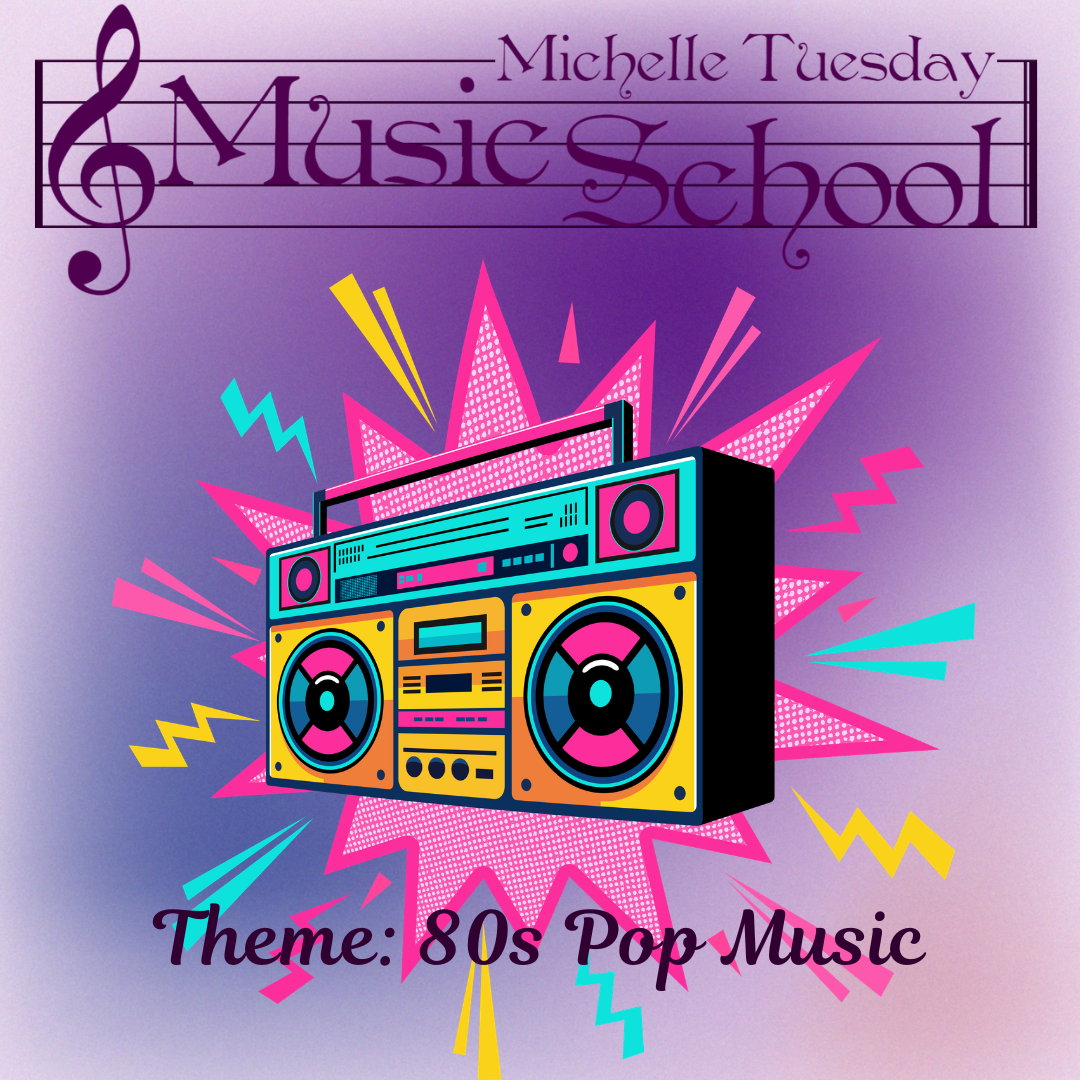
    Big Hair, Big Hooks, Big Sound: Exploring 80s Pop Music

    The Sound of the 80s: How Pop Music Found Its Voice

    The 1980s changed popular music forever.

    Artists embraced new technology. Producers experimented with fresh sounds. As a result, pop music developed a style that listeners still recognize today.

    Many songs from the decade remain popular. In fact, modern artists continue to borrow ideas from 80s recordings.

    A Decade of New Technology

    Technology helped define the sound of 80s pop.

    Synthesizers became more affordable and easier to use. Drum machines also appeared in more recording studios. Together, these tools created sounds that felt futuristic and exciting.

    Artists layered electronic instruments with traditional vocals, guitars, and keyboards. Consequently, songs gained a polished and energetic character.

    Many famous performers embraced these new possibilities. Artists like Michael Jackson, Madonna, and Prince helped bring these sounds to audiences around the world.

    The Accidental Discovery of Gated Reverb

    One of the most recognizable sounds of the decade appeared by accident.

    During a recording session, engineers discovered an unusual drum sound. The reverb sounded huge at first. Then it stopped suddenly instead of fading naturally.

    Producers loved the effect.

    They called it gated reverb. Soon, the technique appeared on countless recordings. The sound gave drums extra power without making mixes muddy.

    As a result, many 80s songs featured explosive drum hits with sharp endings. Today, listeners often identify that sound with the decade immediately.

    More Than Just a Trend

    Gated reverb became only one part of the 80s sound.

    Producers also used layered vocals, bright synthesizers, and strong drum rhythms. Music videos grew in popularity as well. Artists could now connect visuals with their music in new ways.

    Because of these changes, pop music reached larger audiences than ever before.

    The Legacy of 80s Pop

    The influence of 80s pop remains strong today.

    Modern artists still use synthesizers inspired by the decade. Many producers recreate gated reverb in contemporary recordings. Some songs even intentionally imitate the style of classic 80s hits.

    Whether listeners enjoy pop, rock, electronic music, or film scores, they can hear traces of the decade’s influence.

    At Michelle Tuesday Music School, students explore how musical styles evolve over time. Understanding the sounds of the past helps musicians create the music of the future. The next great musical idea may come from learning how a previous generation changed the world with a new sound.
  • Why Human Creativity Still Matters in Music’s AI Era

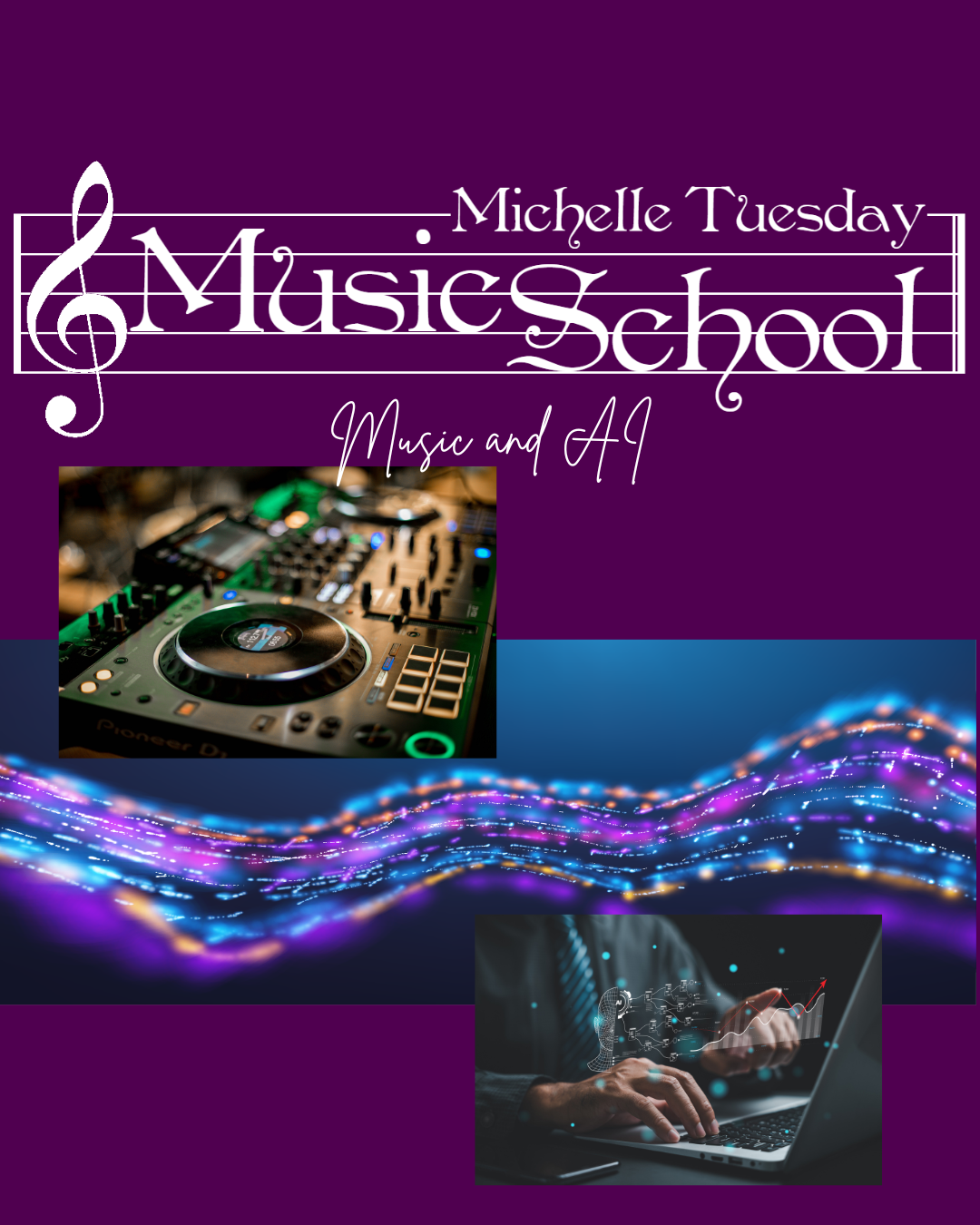
    Why Human Creativity Still Matters in Music’s AI Era

    Music, Technology, and Human Connection

    The conversation also raised another important question: where does inspiration begin?

    As both a writer and musician, I’ve kept an eye on AI developments for a while. While I haven’t personally used AI music tools, I’ve started wondering how common they may already be. Recently, while listening to a musical podcast introduction, I caught myself wondering if some of my own friends were already experimenting with AI-generated music.

    I’ve also seen people dismiss books and stories as “AI written” when those works actually came before modern AI tools existed. In many cases, those original books became part of the material AI systems learned from later.

    What Counts as Source Material?

    That creates a difficult question for artists and audiences alike. Every creator is inspired by something. Music, writing, and visual art all grow from human experiences, influences, and shared culture. Creating and enjoying art is part of being human.

    In some ways, AI tools make creativity more accessible. They can help beginners experiment and explore ideas. However, there is also real danger if those tools begin replacing artists instead of supporting them.

    The Risk of Replacing Artists

    One of the biggest concerns is what happens to future generations of creators. Traditionally, younger artists learn under experienced mentors, teachers, directors, and project leaders. Over time, they grow into those senior creative roles themselves. If industries replace artists too quickly, that learning path could disappear.

    The best future is one where artists are respected and compensated when their work becomes part of the source material used to train AI systems. The worst future is one where creativity becomes repetitive, predictable, and disconnected from genuine human innovation.

    Can AI Truly Create?

    AI can sometimes resemble those endlessly looping predictive text memes online. Occasionally, the sentence finds a meaningful stopping point. Other times, it spirals into repetition because it lacks true understanding behind the words.

    Teacher Bryce touched on a similar concern when discussing the possibility of AI eventually becoming convincing enough to mimic human imperfections and emotions. At the same time, he also expressed hope that audiences may ultimately crave authentic human connection through music. That hope appeared throughout many of the teacher responses.

    Finding the Middle Ground

    I want to stay hopeful. Human beings have always created tools to help us build, communicate, and express ourselves. Perhaps AI can become another tool that helps artists stand taller rather than pushing them out of their crafts. Still, I think many artists share the same concern: we have to be careful about the balance we choose moving forward.

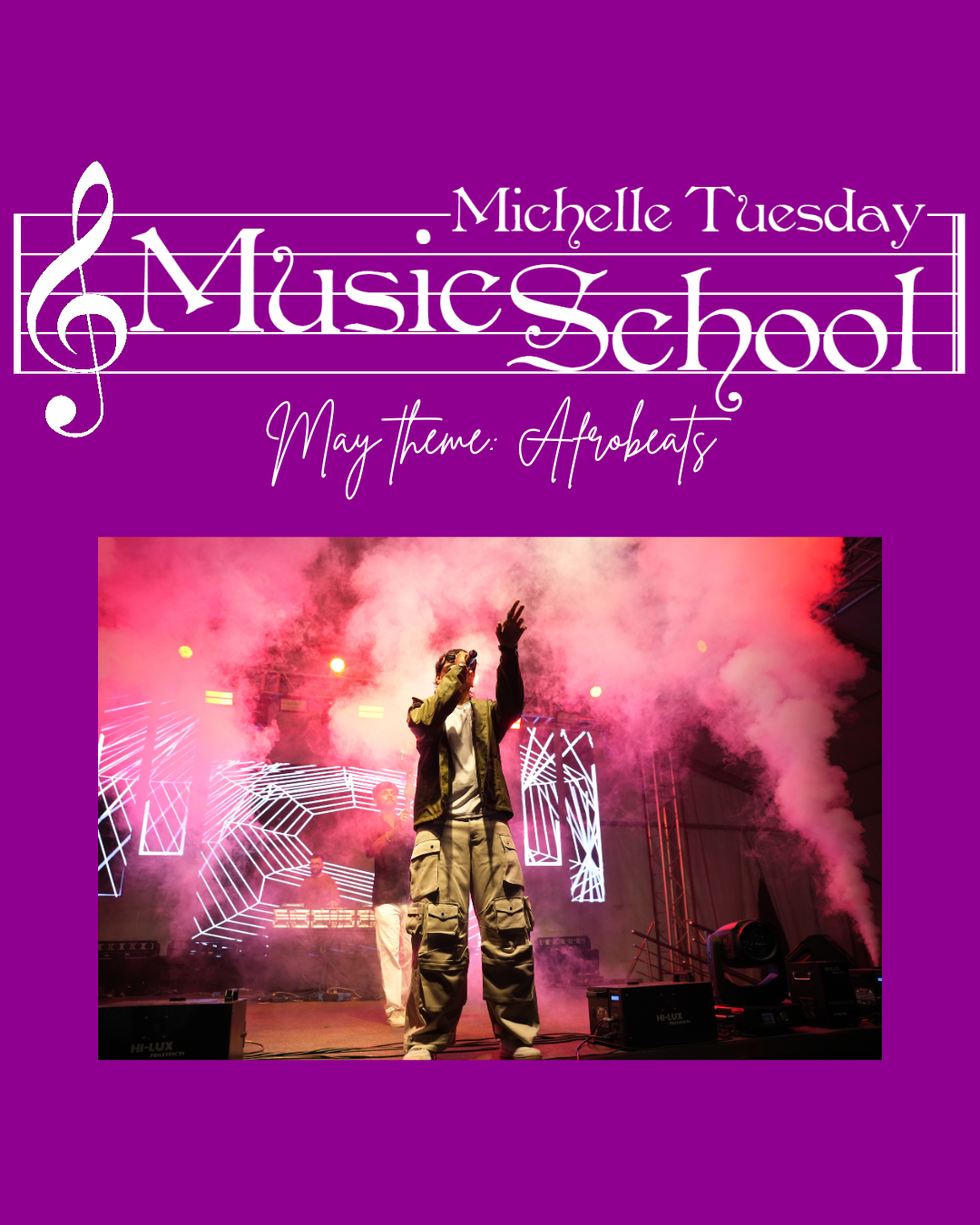
  • The Sound Crossing Continents: Exploring the Growth of Afrobeats

    The Sound Crossing Continents: Exploring the Growth of Afrobeats

    Music has always traveled across borders. However, few modern genres have expanded as quickly and powerfully as Afrobeats. What began as a blend of African musical traditions, jazz, funk, highlife, and modern pop has grown into an international sound heard in clubs, movies, radio stations, and playlists around the world.

    This month in the Music Technology and Learning Lab, students explored how Afrobeats music developed and why it continues to connect people from many different cultures. Along the way, they discovered energetic rhythms, layered percussion, catchy melodies, and a style that encourages movement almost immediately.

    Where Afrobeats Began

    Afrobeats music has roots in West Africa, especially Nigeria and Ghana. Earlier musical styles like highlife helped shape the sound long before the genre became globally recognized. During the 1960s and 1970s, artists blended traditional African rhythms with jazz, funk, and soul influences arriving from other parts of the world.

    One influential figure during this time was Fela Kuti, who helped establish the earlier style known as Afrobeat. His music combined powerful rhythms with large instrumental groups and socially focused lyrics. While modern Afrobeats is different from the original Afrobeat style, the influence can still be heard today in the rhythmic grooves and layered musical textures.

    Over time, younger artists introduced electronic production, pop songwriting, hip-hop influences, and dance music elements. As a result, Afrobeats evolved into a fresh and modern genre that appealed to listeners across many age groups.

    A Genre That Crossed Oceans

    For many years, Afrobeats was especially popular throughout Africa and among African communities around the world. Then streaming services, social media, and video-sharing platforms helped the genre reach much larger audiences.

    Suddenly, songs from artists like Burna Boy, Wizkid, Tems, and Davido became international hits. Collaborations with artists from the United States, Europe, and other parts of the world helped even more listeners discover the sound.

    Today, Afrobeats can be heard in commercials, films, sporting events, and viral dance videos online. In addition, major music festivals now regularly feature Afrobeats performers alongside artists from pop, hip-hop, and electronic dance music genres.

    What Makes Afrobeats Unique?

    Afrobeats music often features layered percussion, syncopated rhythms, call-and-response vocals, and smooth melodic hooks. The groove usually stays steady while multiple rhythms interact at the same time. Because of this, the music feels energetic without sounding rushed.

    Many songs also combine singing and rhythmic spoken lyrics. Producers frequently use electronic sounds, synthesized instruments, and carefully crafted beats while still keeping traditional rhythmic influences at the center of the music.

    Students in the Lab noticed that Afrobeats songs often feel uplifting and danceable even when the tempo is not extremely fast. The rhythmic layering creates movement that listeners can feel immediately.

    Why Exploring Global Music Matters

    Learning about musical styles from different parts of the world helps students become stronger listeners and more creative musicians. Every genre carries history, culture, and new ideas about rhythm, melody, and expression.

    At Michelle Tuesday Music School, monthly themes encourage students to discover music they may not encounter every day. Exploring styles like Afrobeats helps students connect modern popular music with musical traditions that developed over many decades.

    Music continues to evolve as artists share ideas across cultures and continents. Afrobeats is a perfect example of how a regional style can grow into a worldwide musical movement while still honoring the sounds that inspired it in the beginning.

    Whether students are taking piano, voice, drum, guitar, or other music lessons, listening to many different genres helps develop musical understanding and creativity. Sometimes a new favorite style is only one playlist away.

  • Spring Break at MTMS: One More Lesson, Then We Recharge

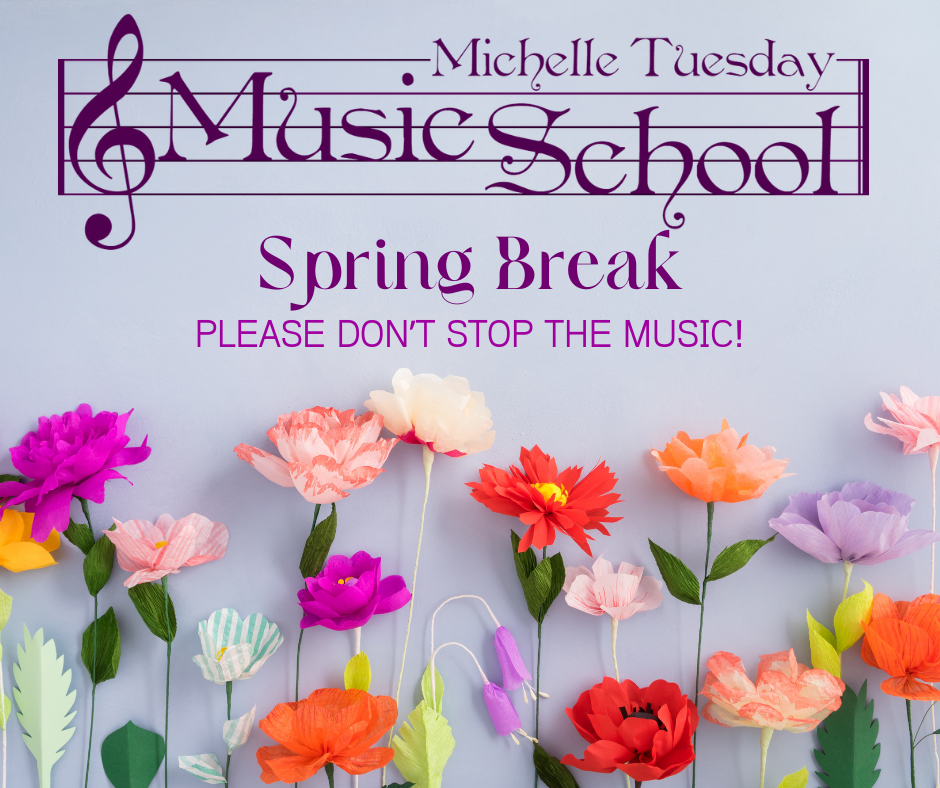
    Spring Break at MTMS: One More Lesson, Then We Recharge

    🌷 Spring Break at MTMS: What to Know Before You Go

    Spring is in the air, and with it comes a well-earned break!

    As we head into next week, we want to share a quick schedule update. This way, your family can plan ahead with ease.

    📅 Important Dates to Remember

    First, we will have lessons on Saturday, March 28. This will be the final day of lessons before spring break begins.

    After that, the studio will be closed for the week.

    Then, lessons will resume on Monday, April 6, and we will return to our normal schedule.

    🎶 What This Means for Your Lessons

    During spring break, there will be no regularly scheduled lessons or Music Lab time.

    However, this short break offers a chance to recharge. Students often return with fresh focus and renewed energy.

    At the same time, keeping a little music in the week can help maintain progress.

    🎧 Keep the Music Going

    Even though the studio will be quiet, music can still be part of your routine.

    For example, students might:

    • Practice a favorite piece
    • Listen to music they enjoy
    • Try a short composition
    • Explore tools like musictheory.net or Chrome Music Lab

    These small moments can go a long way.

    🌼 A Quick Reset Before What’s Next

    Spring break is not just a pause. Instead, it is a reset.

    When we return, students will continue building skills, exploring new ideas in the Music Lab, and growing in confidence.

    Please don’t stop the music!

  • Hiring Part-Time Receptionist

    Hiring Part-Time Receptionist

    Michelle Tuesday Music School is Gahanna’s home for aspiring musicians. We believe music is for everyone. From kids to adults, we provide personalized music lessons and classes for all skill levels. We are proud to provide neurodiveristy-affirming instruction, ensuring a supportive, inclusive space for every student to thrive.

    Job Summary

    We are seeking an energetic and detail-oriented Part-Time Receptionist to join our vibrant team during evenings and weekends. In this role, you will be the friendly face of our music school, managing front desk operations, handling inquiries, and supporting administrative tasks with enthusiasm. Your positive attitude and organizational skills will help create a welcoming environment for students, parents, and visitors alike.

    Responsibilities

    • Greet students by name and welcome clients, staff and visitors
    • Schedule lessons and classes
    • Serve as primary liaison for families via phone, text, email and social media
    • Process and accurately record client payments
    • Clerical tasks such as data entry, printing, and recording attendance
    • Provide friendly and helpful customer service
    • Ensure smooth operation of the school during lesson times
    • Light cleaning and organization of reception and lobby spaces
    • Creative projects like social media updates, signage, or event prep

    Skills

    • A warm, friendly demeanor
    • Calm under pressure
    • Patient, empathetic communication style with the ability to support a diverse range of student and learning needs
    • Clerical experience and good attention to detail
    • Strong computer literacy
    • Proficiency in Google Drive or similar cloud-based office suites
    • Strong organizational skills
    • Ability to multitask effectively in a fast-paced environment
    • Experience with Quickbooks online, WordPress, Canva, and social media are a huge plus

    Shift Schedule

    We currently have openings on Wednesdays, Thursdays and Saturdays. Typical shifts fall between 1pm-9pm on weekdays and 9am-2pm on Saturdays. We are happy to discuss specific start/stop times to fit your schedule.

    Why Join Us?

    Work as part of a lively team in a creative musical environment where your contributions will be valued. Every day is filled with growth and community! This position offers flexible evening and weekend hours where your enthusiasm can truly shine.

    Next Steps

    Ready to be the face of Gahanna’s favorite music school? Complete the application form at the bottom of our “Careers” page.